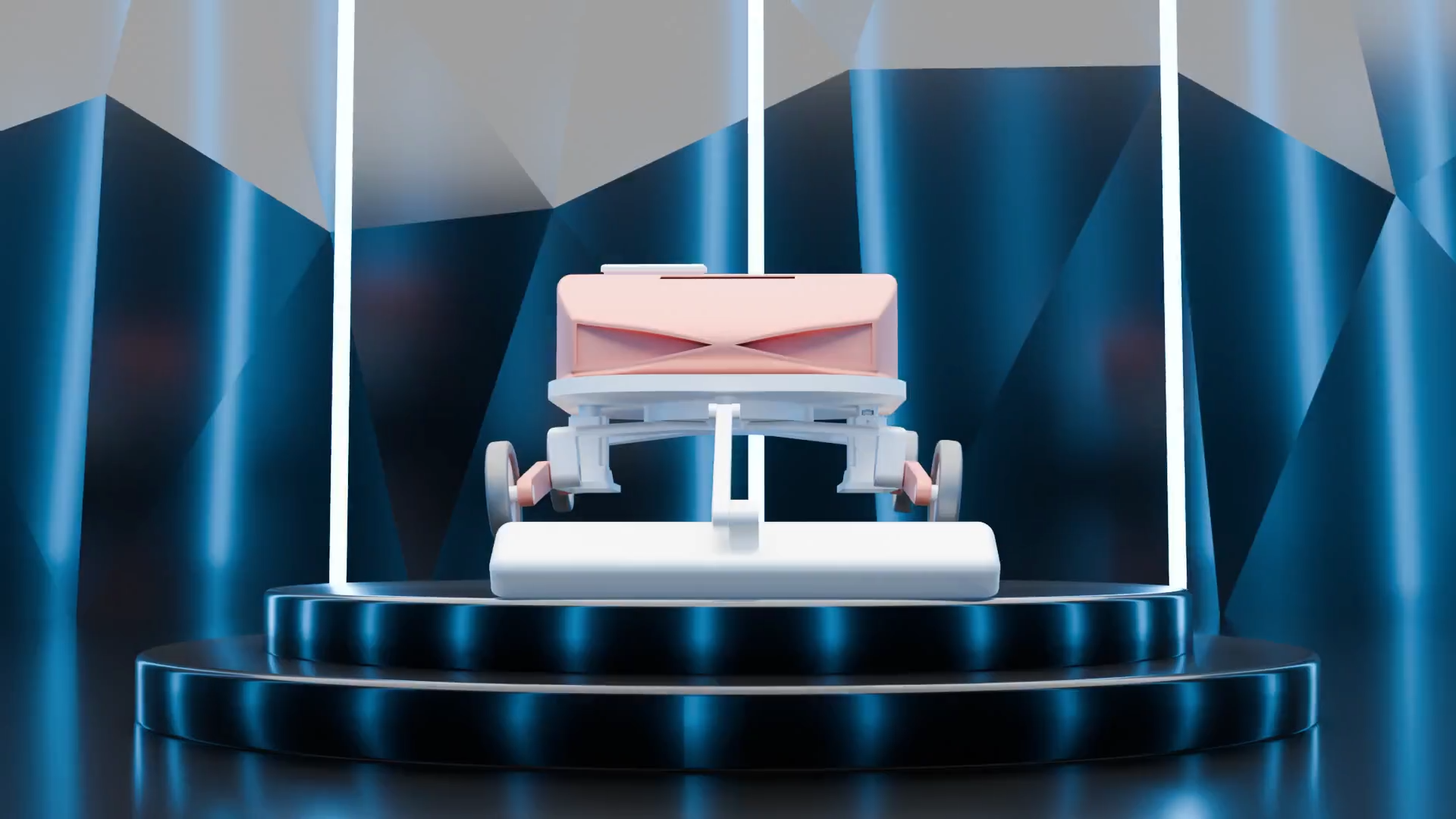
smart
GLASS
CLEANING
ROBOT
An autonomous cleaning robot designed for high rise buildings with complex glass geometries. It integrates AI vision, suction-based mobility, and adaptive telescopic legs to ensure safe, efficient, and precise maintenance.
Overview
[INDUSTRIAL DESIGN]
Creating efficient mechanical solutions focused on usability, adaptability, and performance for complex architectural environments.
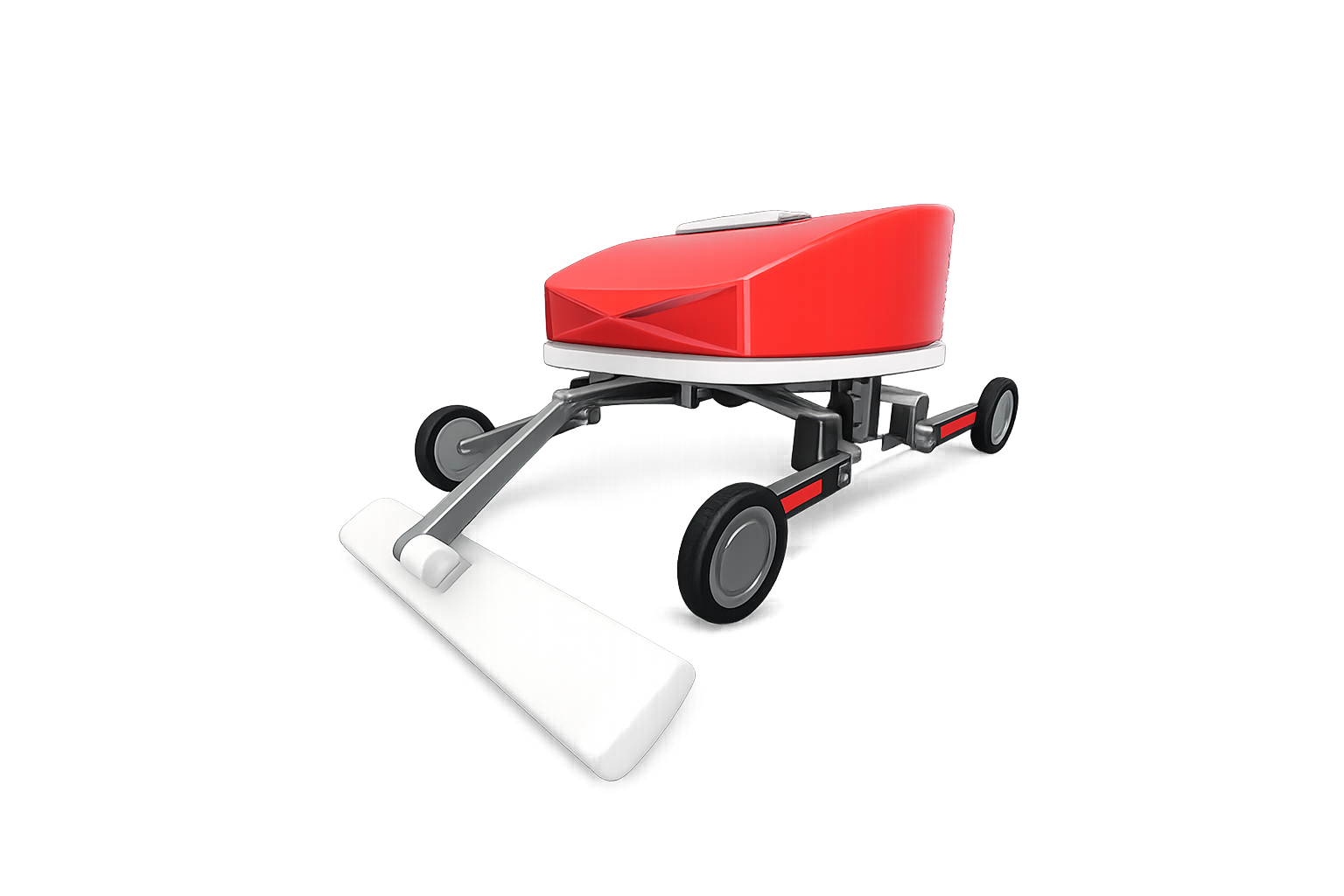
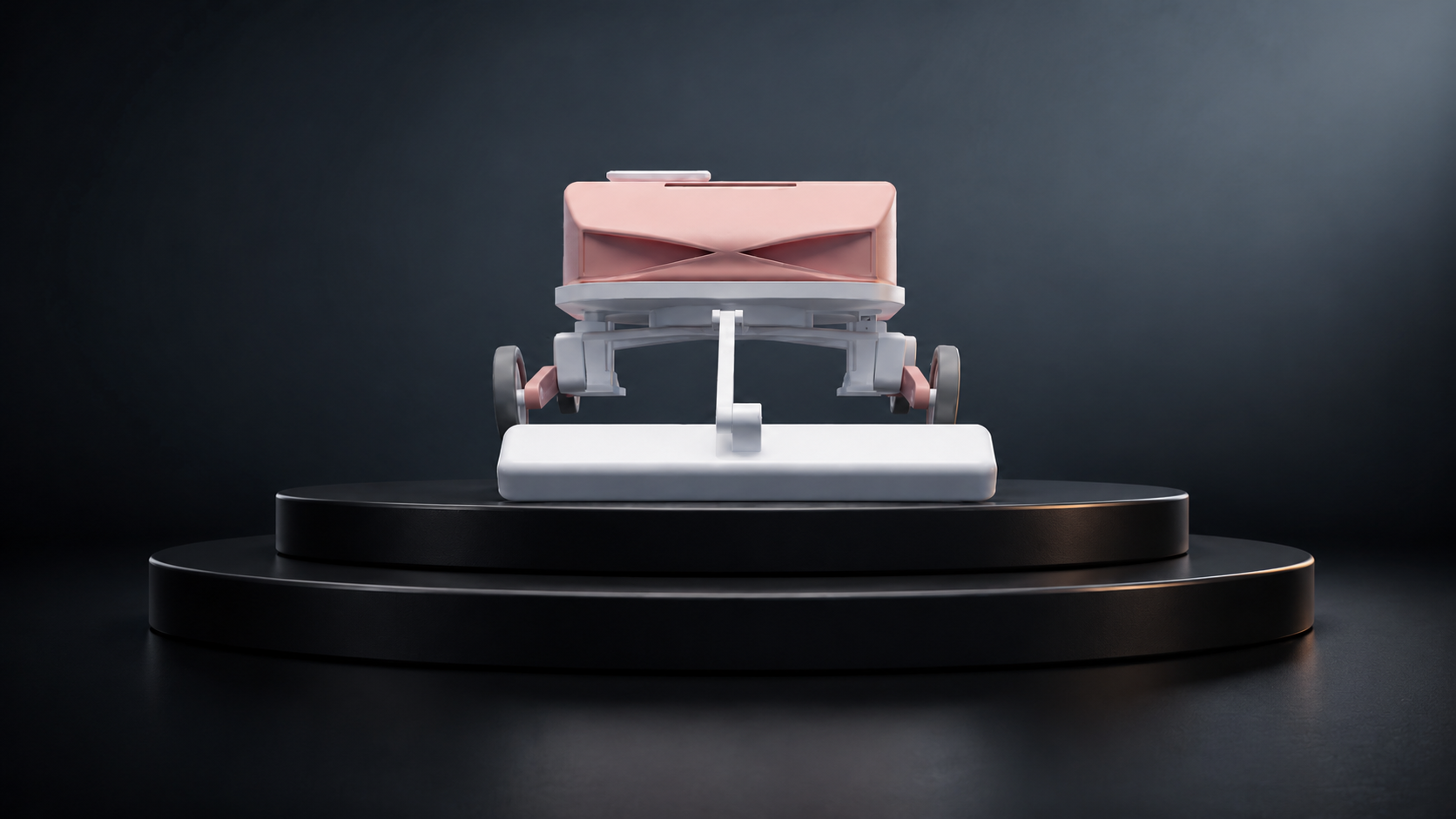
[GLASS CLEANING ROBOT]
A next-generation robotic system designed to clean complex skyscraper façades safely and efficiently.
It uses AI-powered vision, adaptive suction movement and flexible telescopic legs to navigate curved and irregular surfaces.
explode view
Aerodynamic Main Body
01
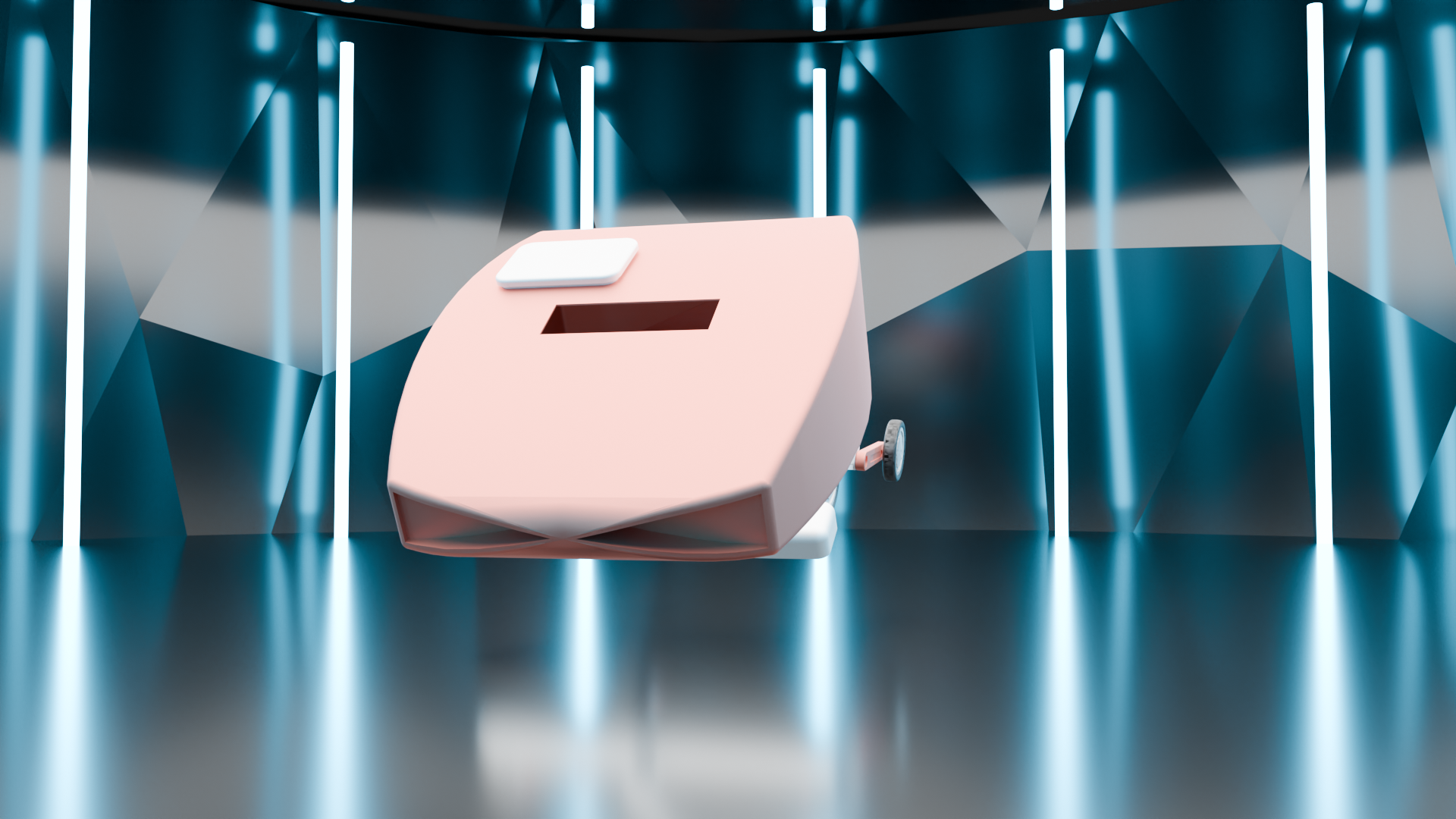
Aerodynamic Main Body
A lightweight protective shell that houses the robot’s core systems, paired with a sealed water-tank cap designed for easy refilling and secure operation.
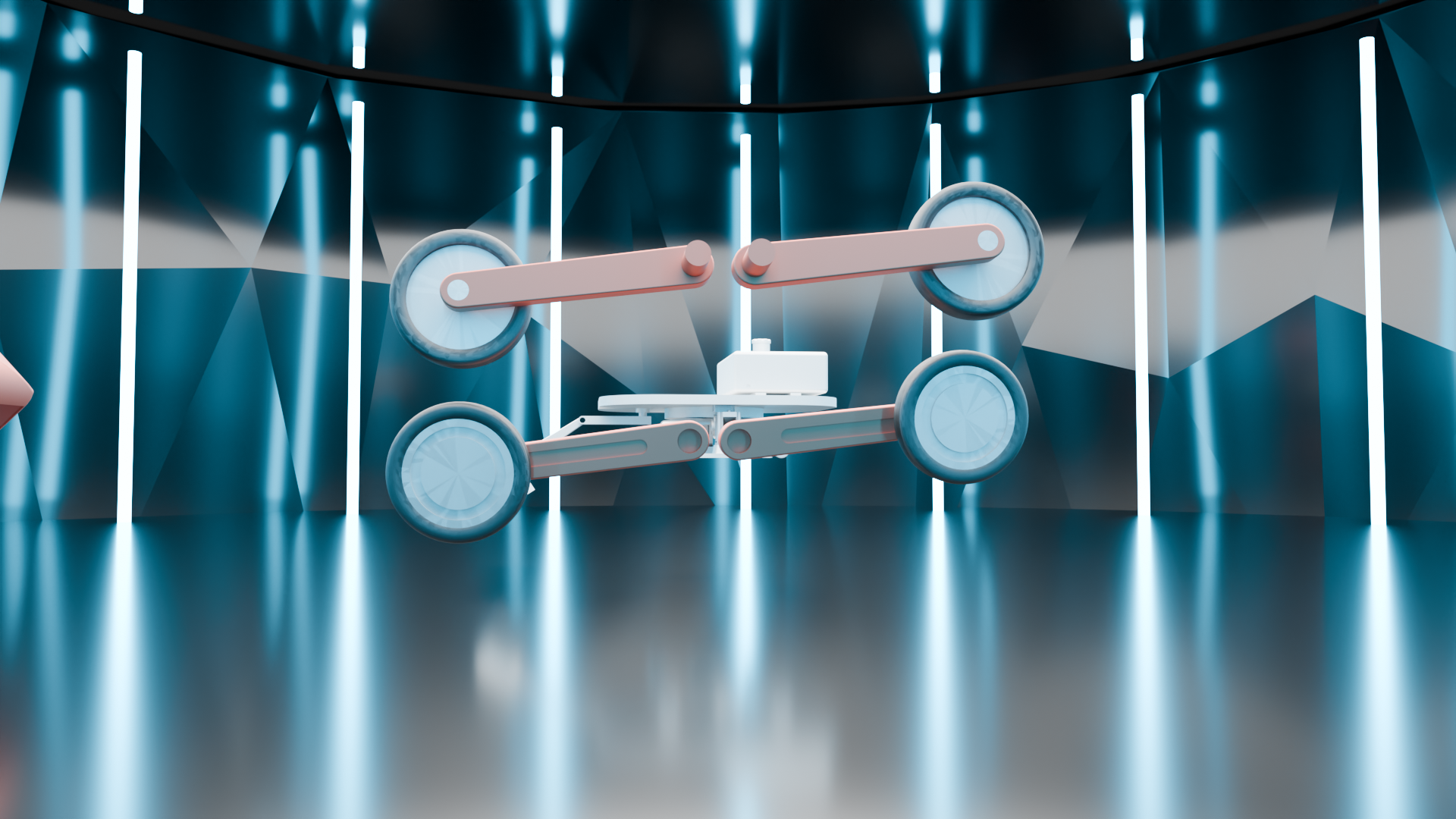
Adaptive Telescopic Leg Mechanism
02
Adaptive Telescopic Leg Mechanism
Articulated arms and multi-directional wheels automatically adjust length and angle to maintain stable contact on curved and uneven glass surfaces.
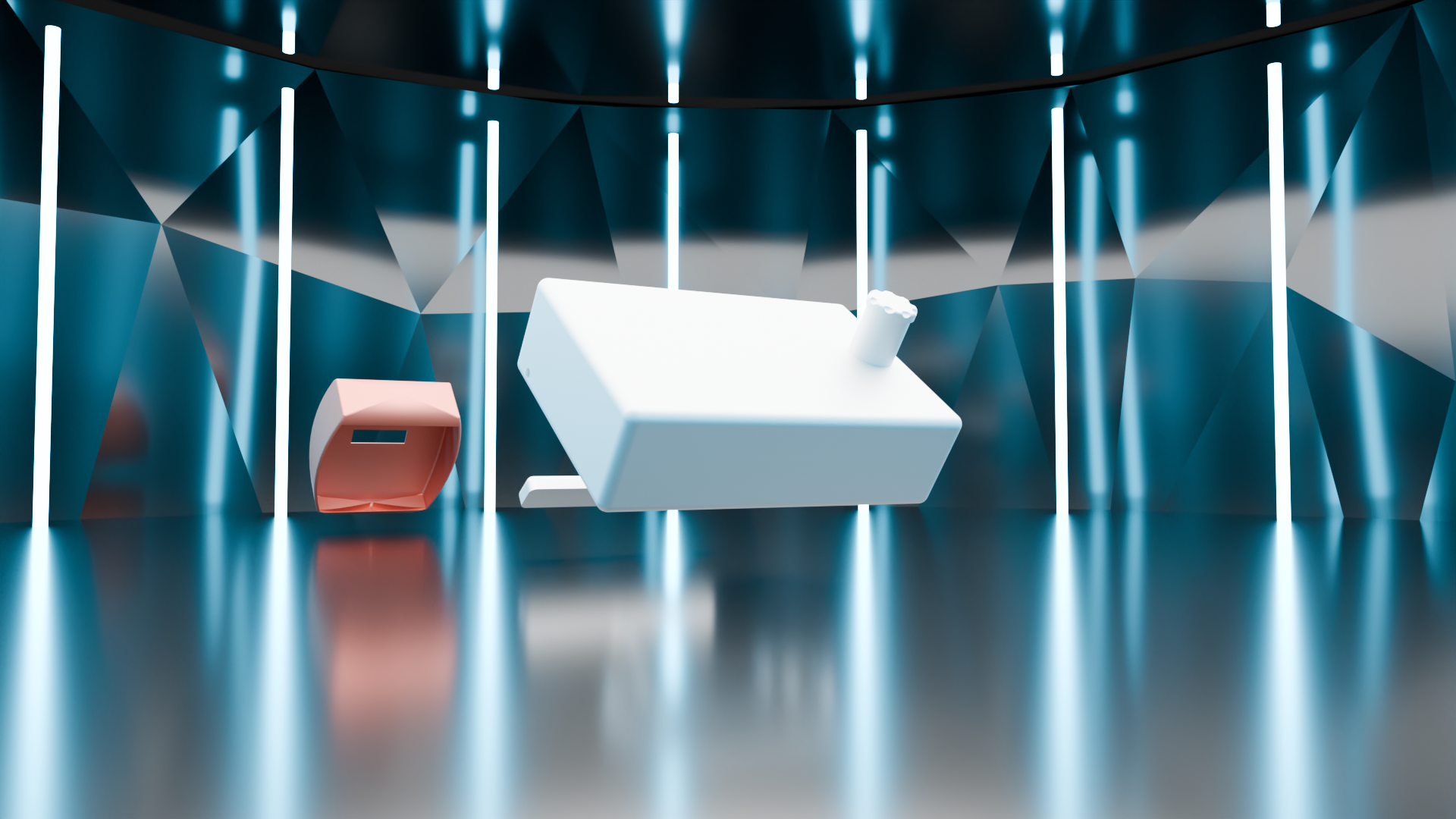
High-Capacity Water Tank Module
03
High-Capacity Water Tank Module
A sealed, lightweight reservoir designed to store and supply cleaning fluid efficiently, ensuring continuous operation during long-surface cleaning.
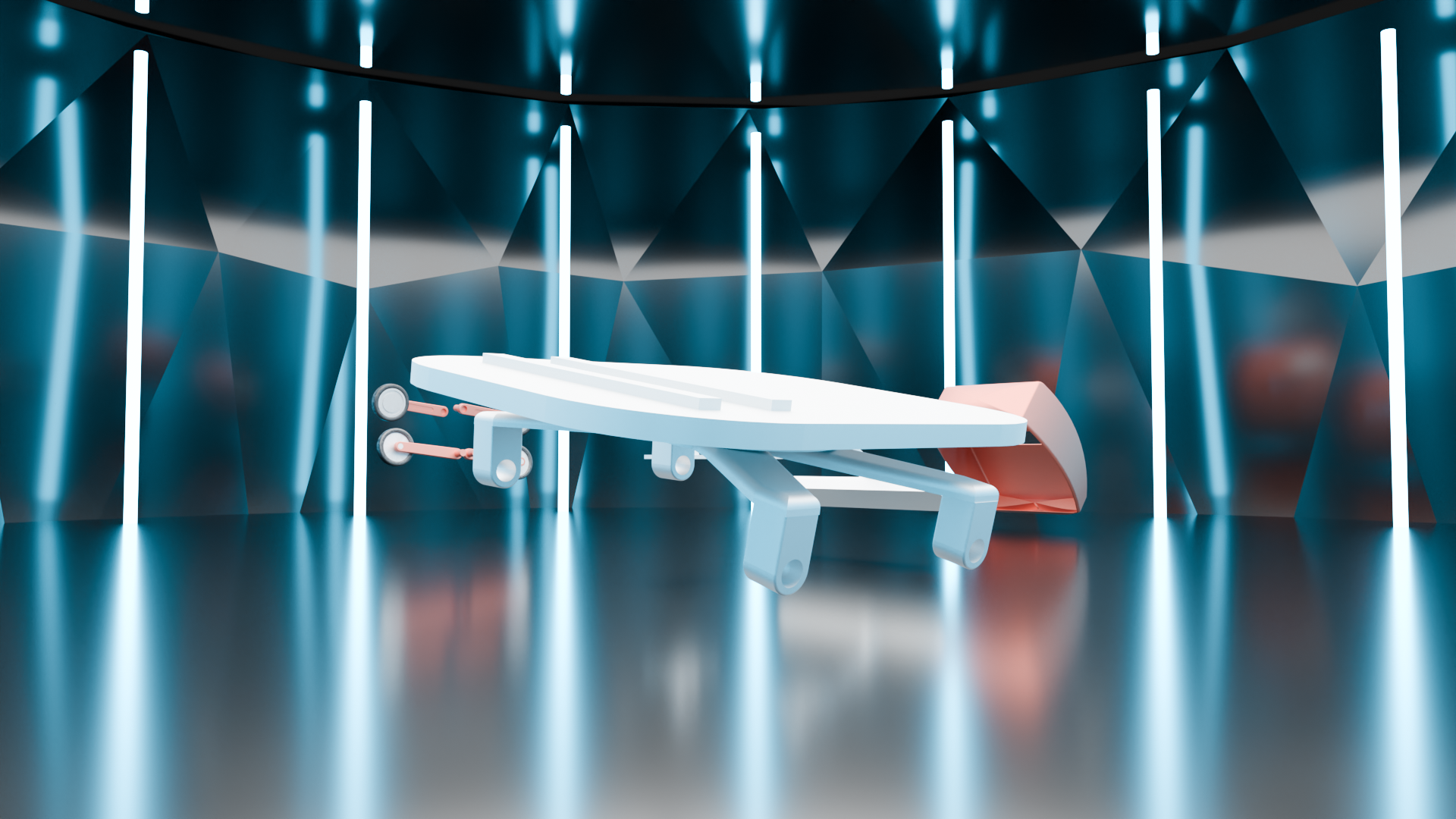
Lightweight Structural Chassis
04
Lightweight Structural Chassis
A rigid, weight-optimised base frame engineered to support all major components, ensuring stability, balance, and smooth load distribution during vertical cleaning.
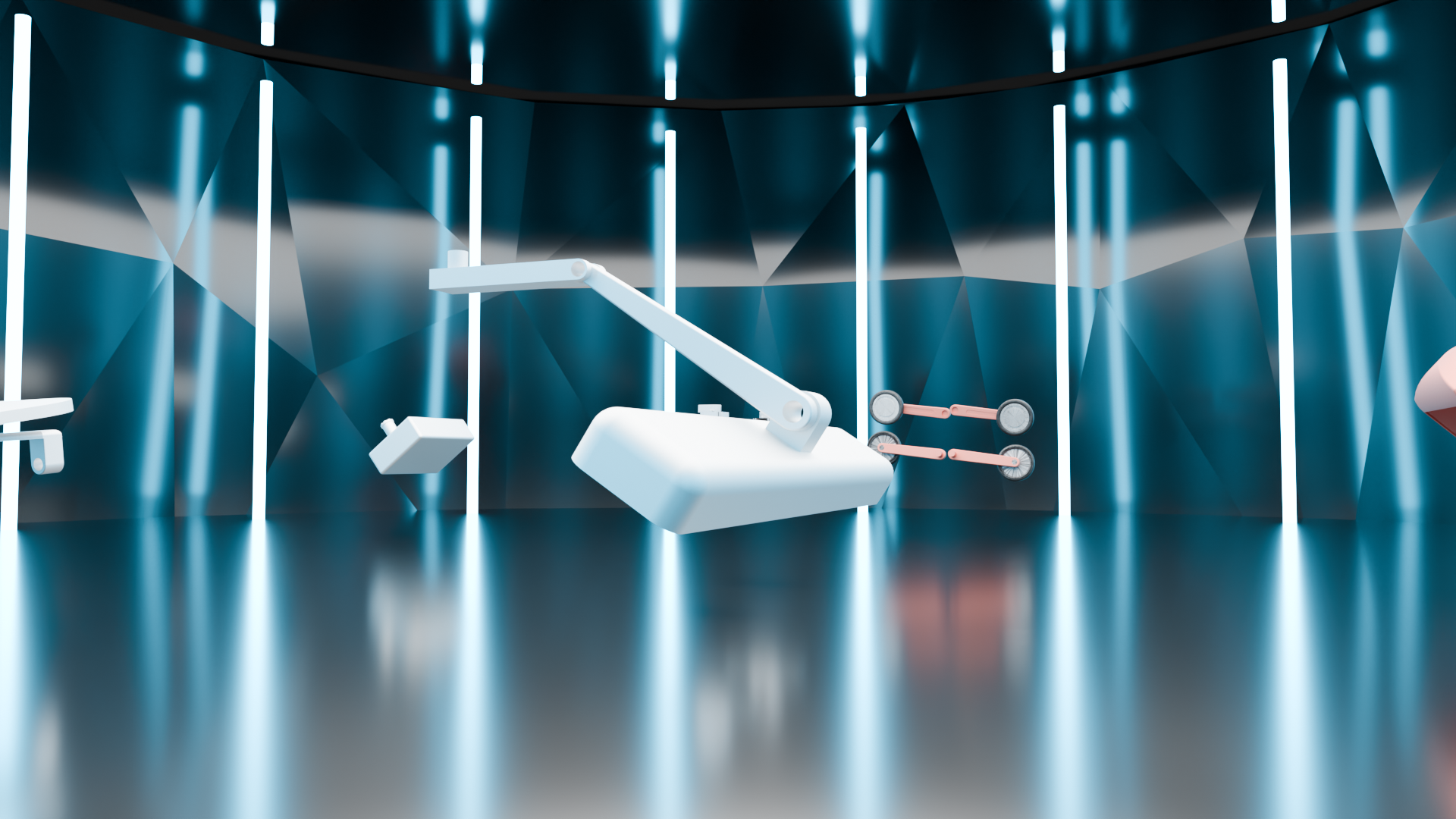
Articulated Cleaning Head Module
05
Articulated Cleaning Head Module
A pivot-mounted cleaning head designed to reach edges and angled surfaces, delivering precise wiping and fluid application for spotless glass cleaning.
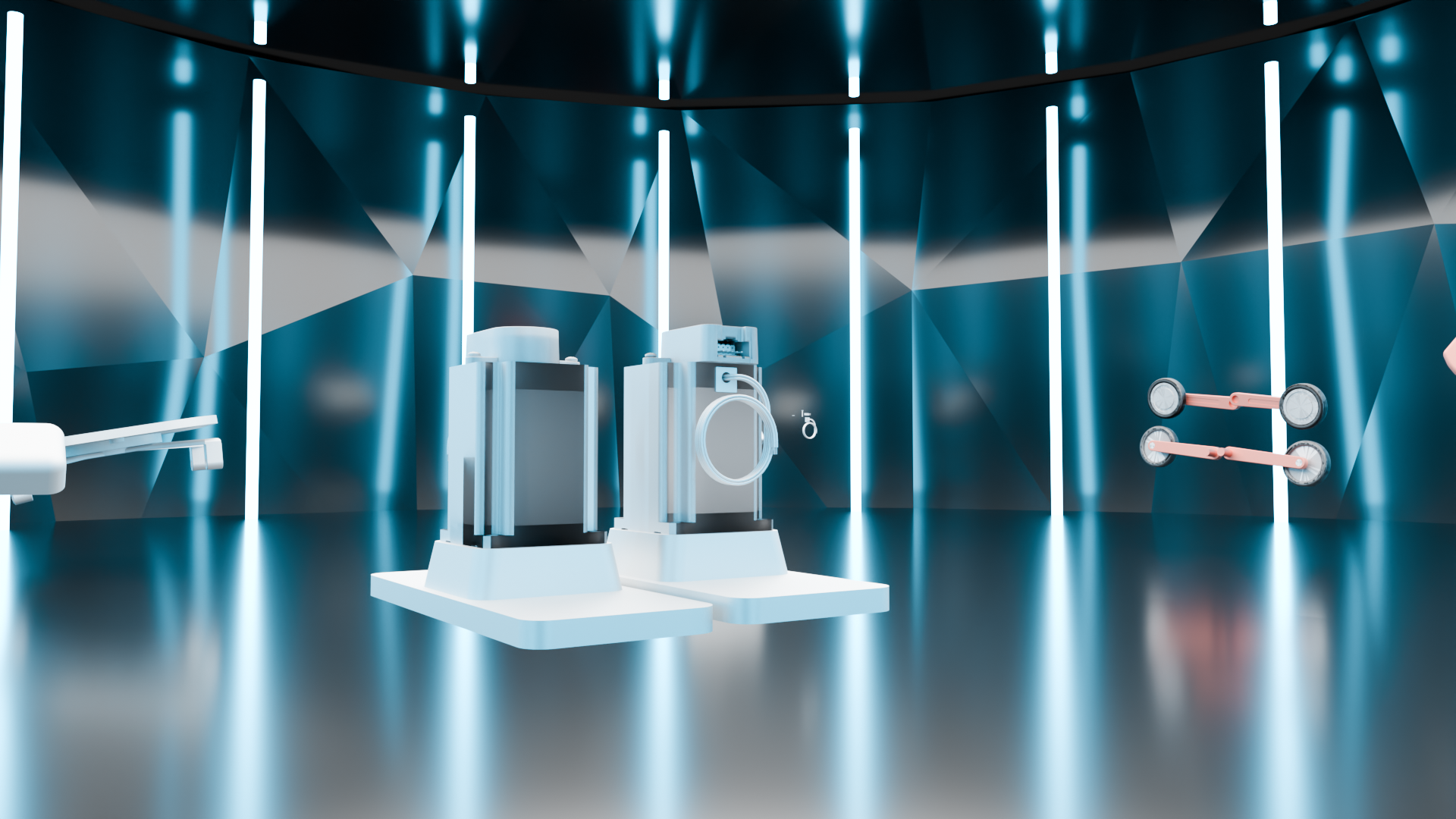
Suction Power Unit
06
Suction Power Unit
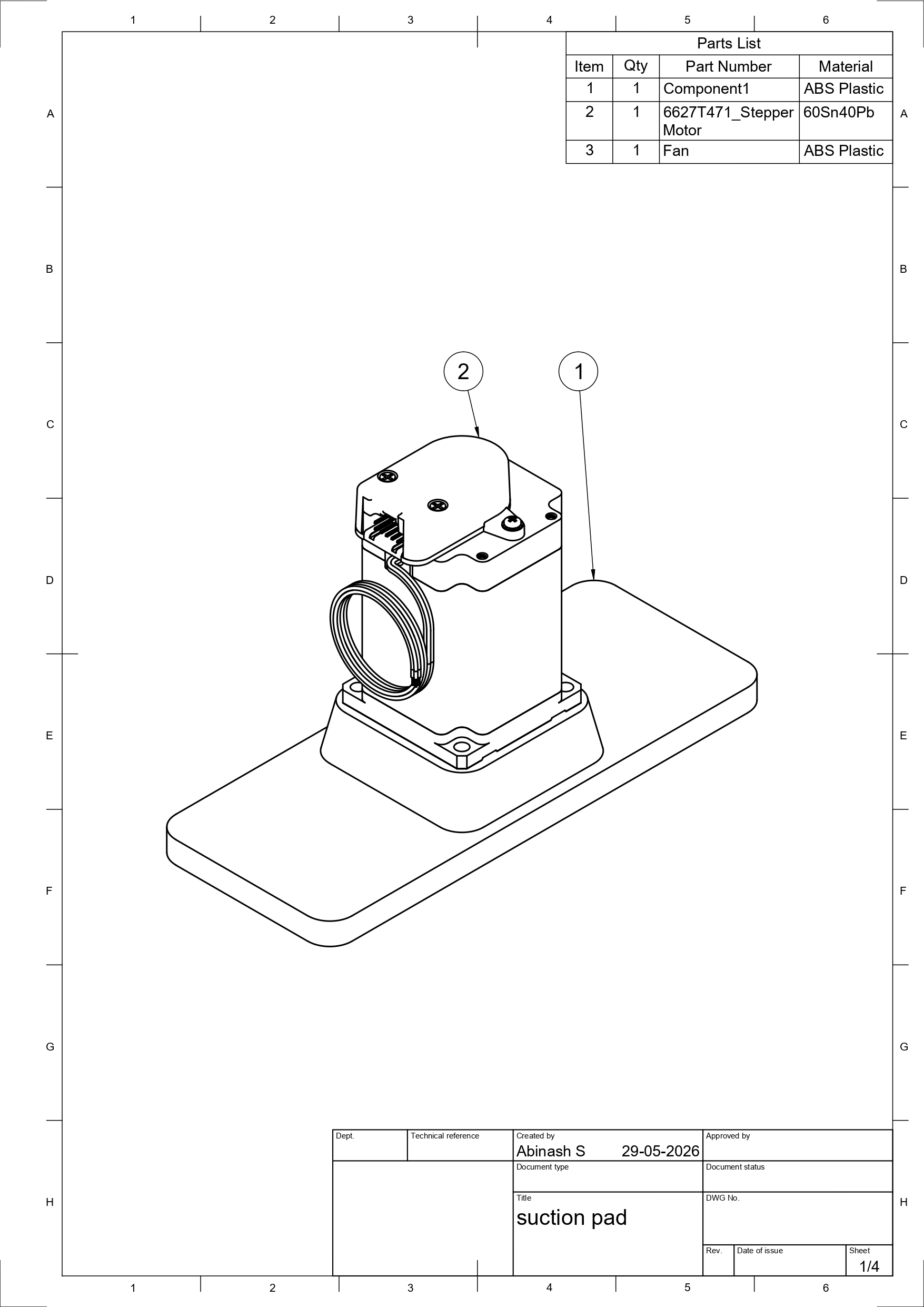
Two high-efficiency drive motors integrated with a precision suction system provide strong adhesion and controlled movement, enabling safe vertical operation.
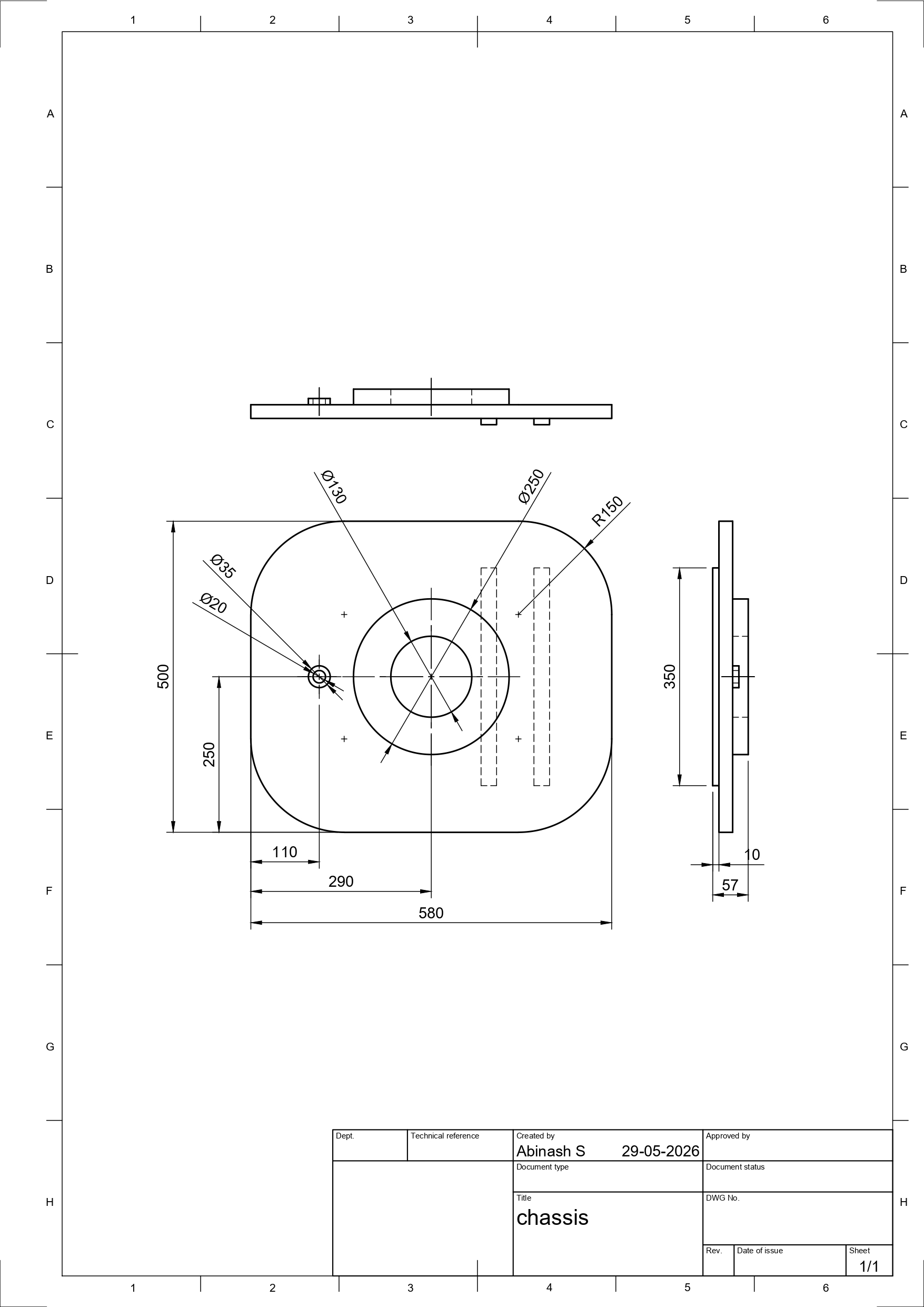
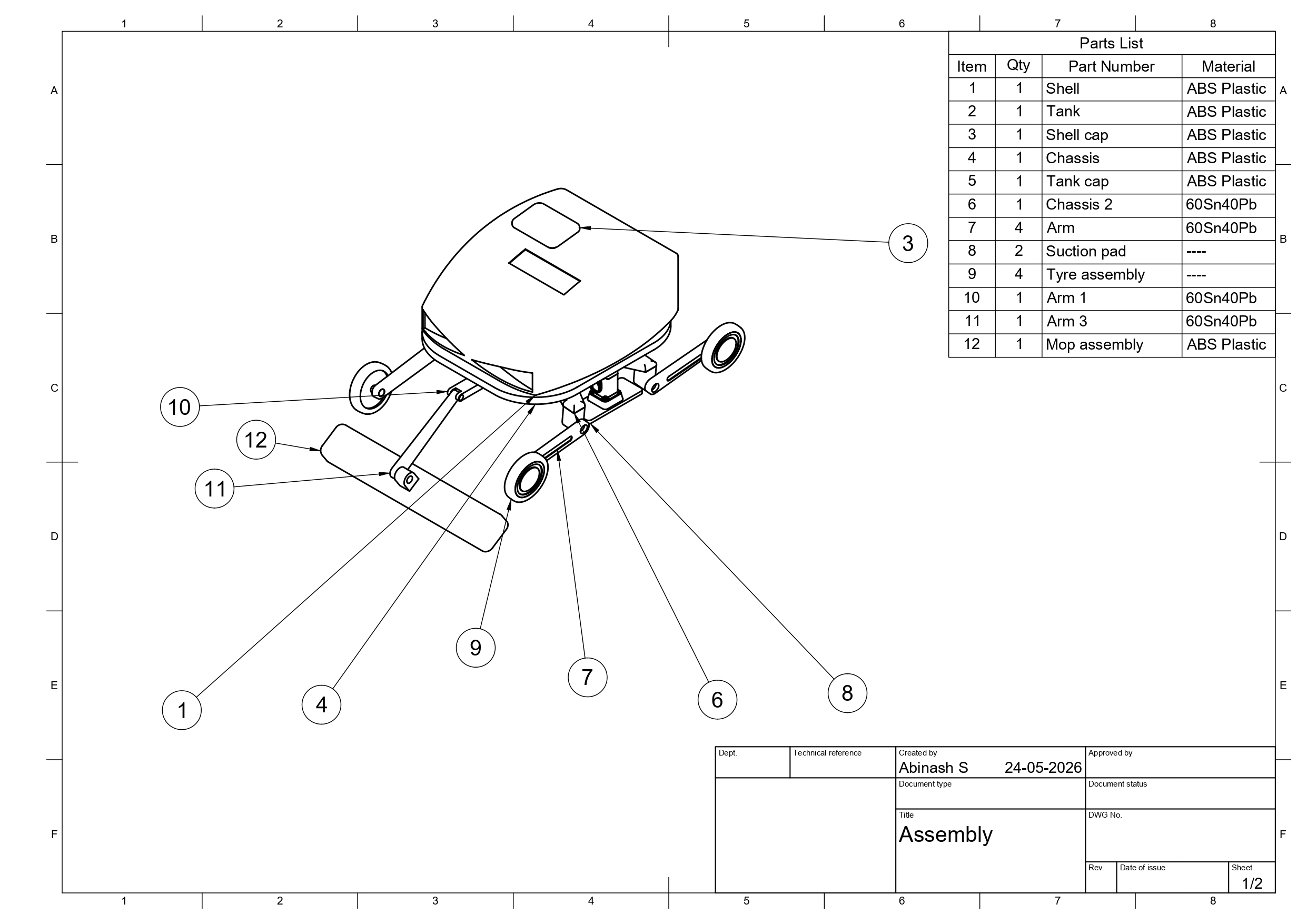
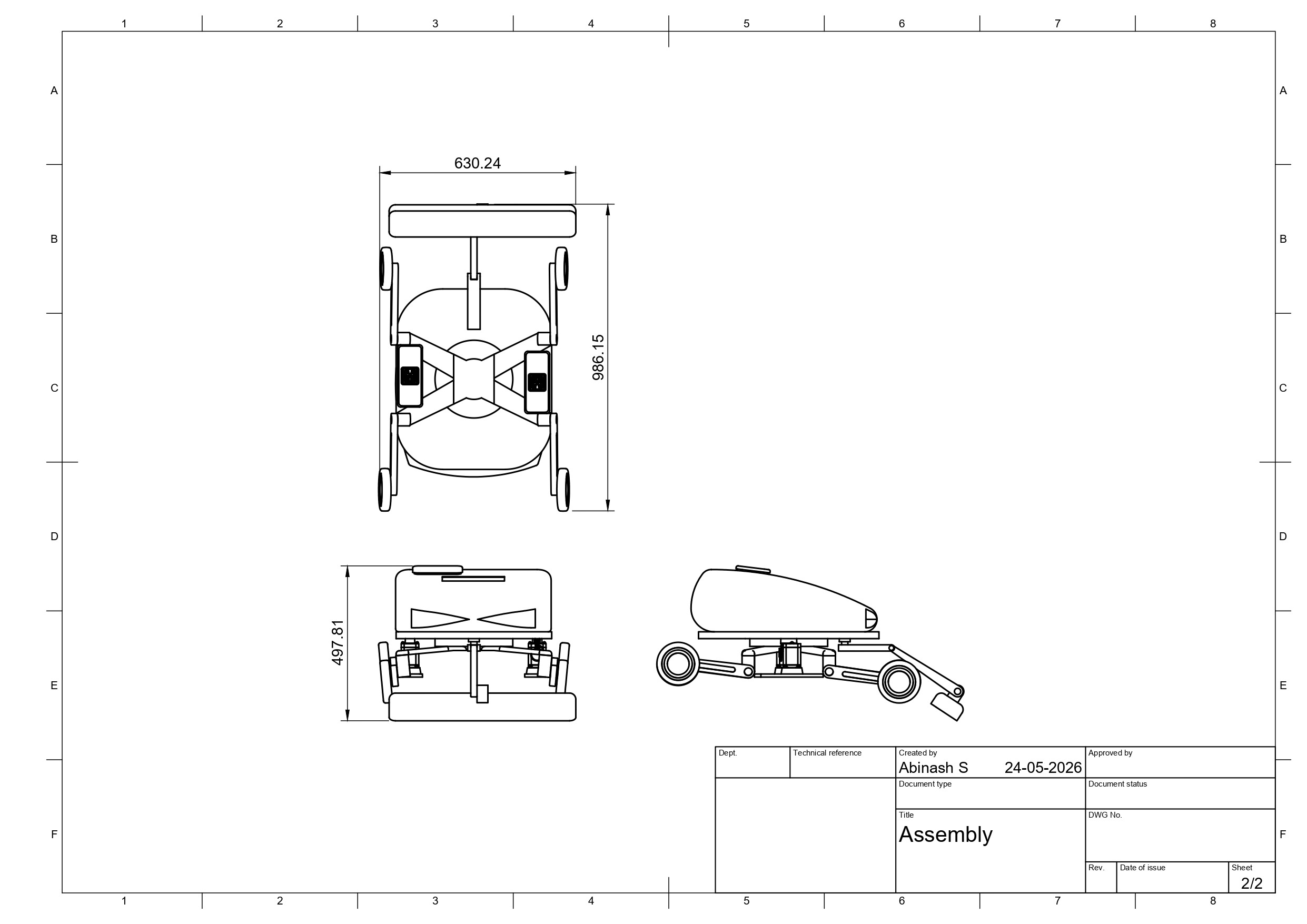
Technical Dimensions
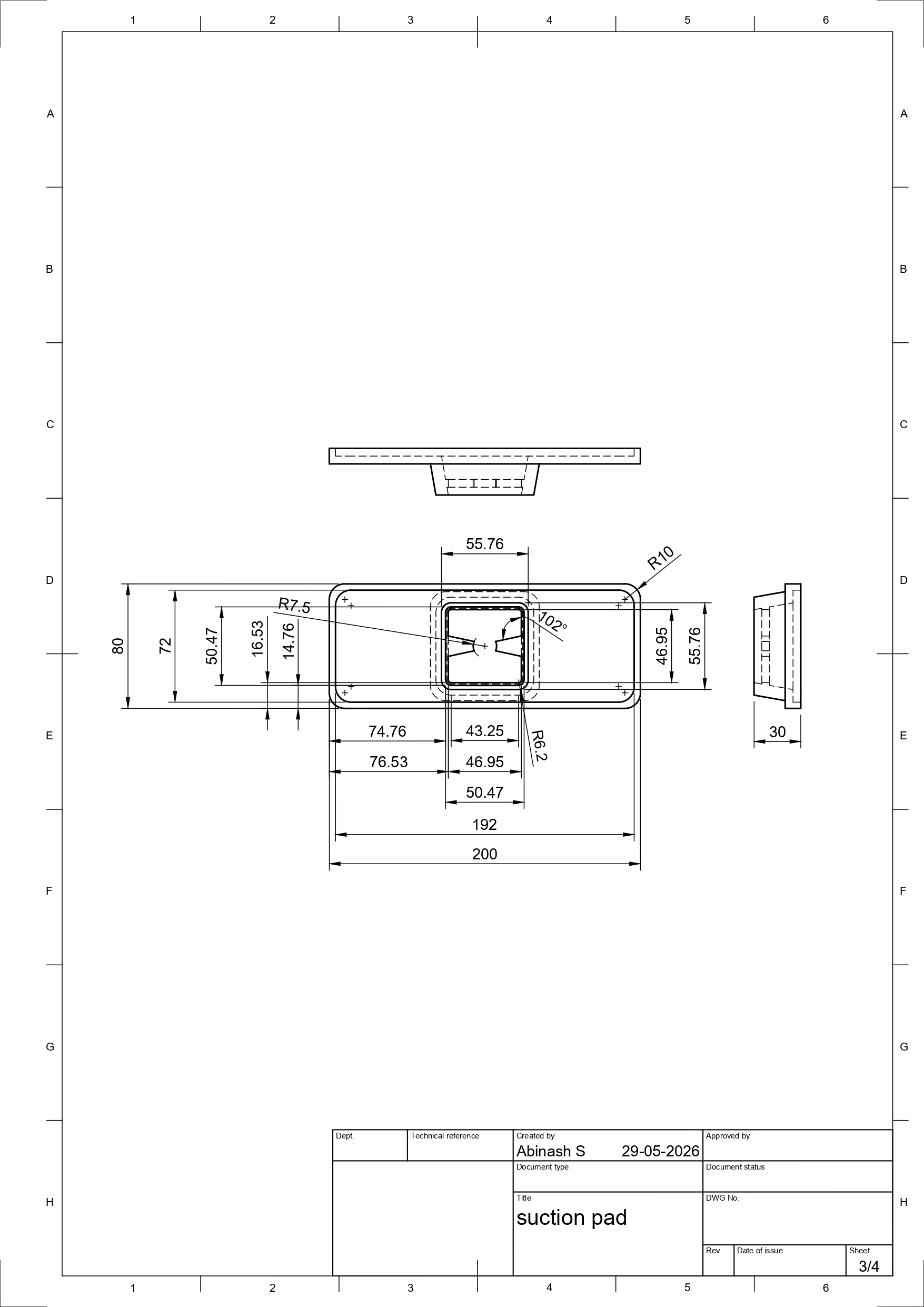
This dimensional drawing, developed in Fusion 360, defines the overall measurements, proportions, and structural layout of the prototype. It serves as a technical reference for validating scale, component placement, and fabrication accuracy.
- AI camera maps facade geometry and obstacles
- Onboard AI computes optimal cleaning path
- Suction engages to secure the robot to glass.
- Telescopic legs and motors adjust for surface shape.
- Fluid dispensed and cleaning head wipes with controlled pressure.
- This flow ensures efficient, repeatable cleaning with minimal human risk.