Product design
A next generation
smart glass cleaning robot
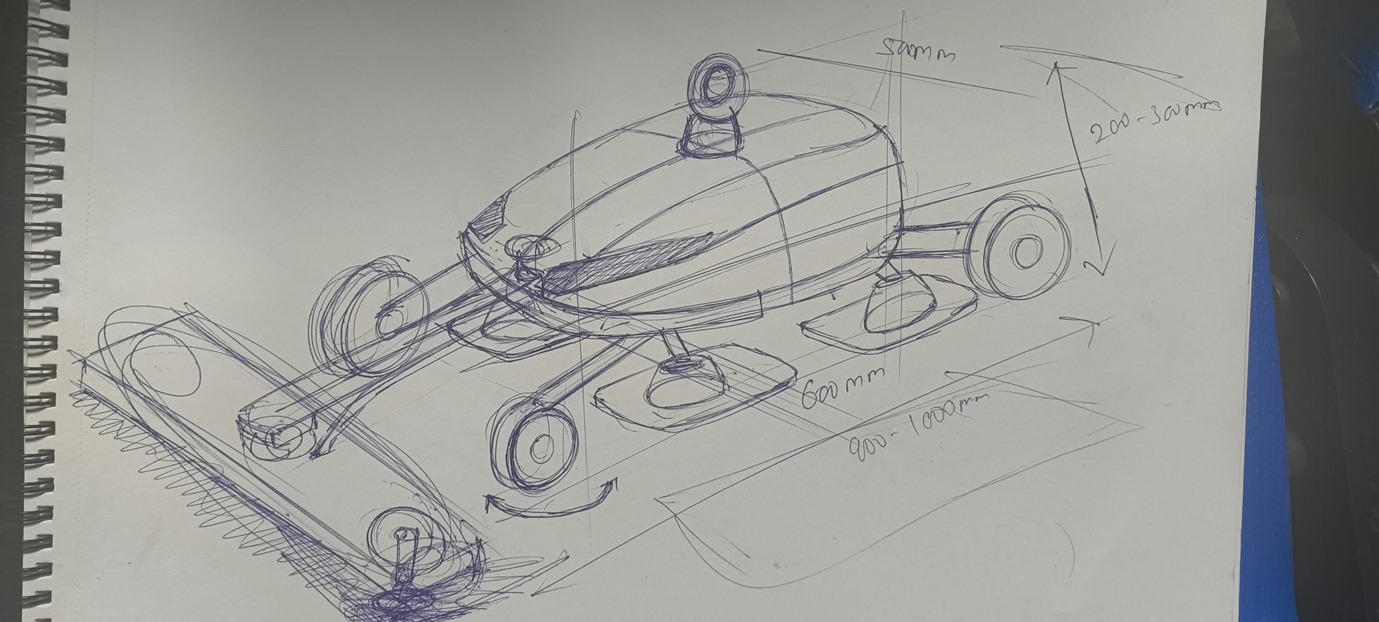
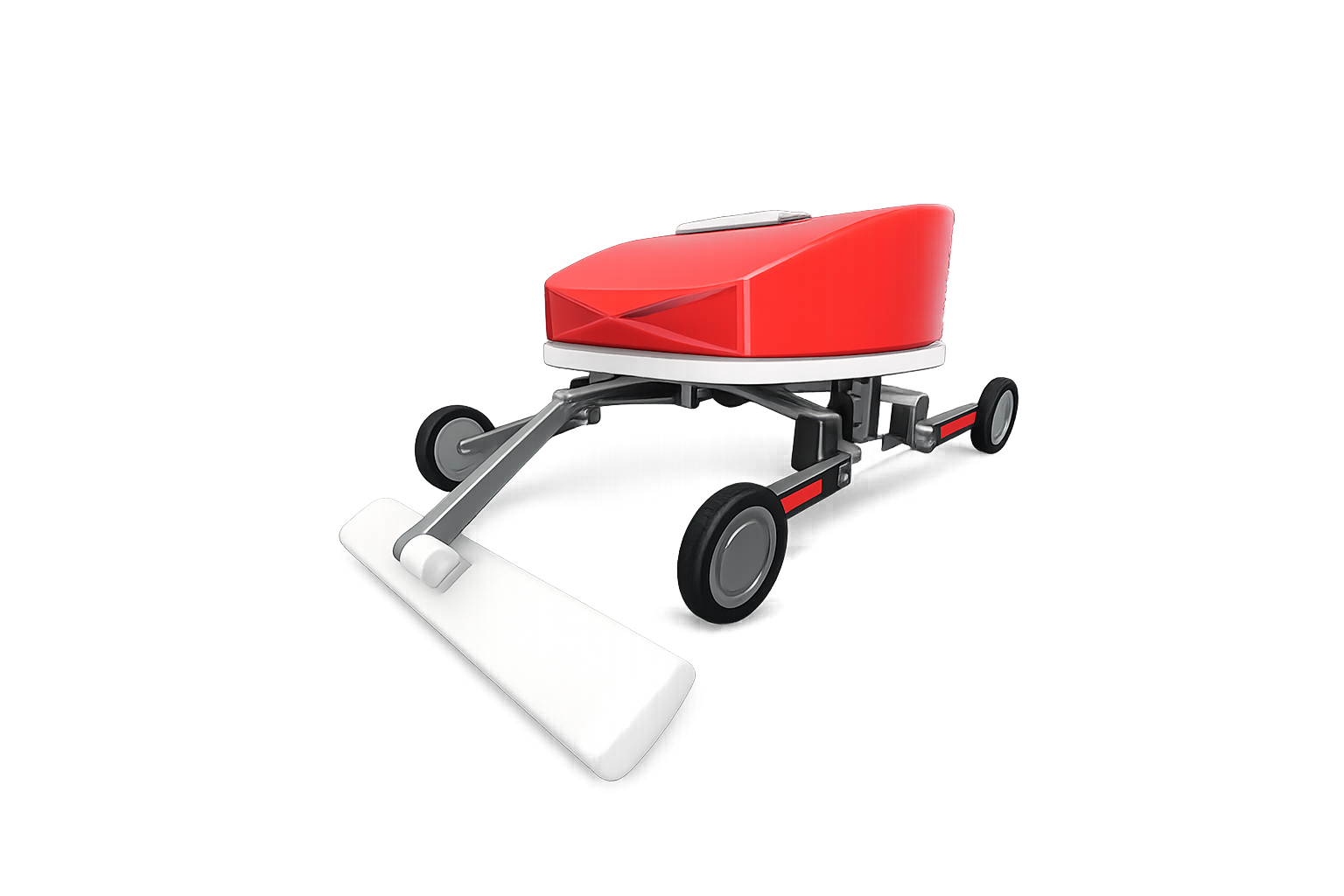
An autonomous cleaning robot designed for high-rise buildings with complex glass geometries. It integrates AI vision,
suction-based mobility, and adaptive telescopic legs to ensure safe, efficient, and precise maintenance.
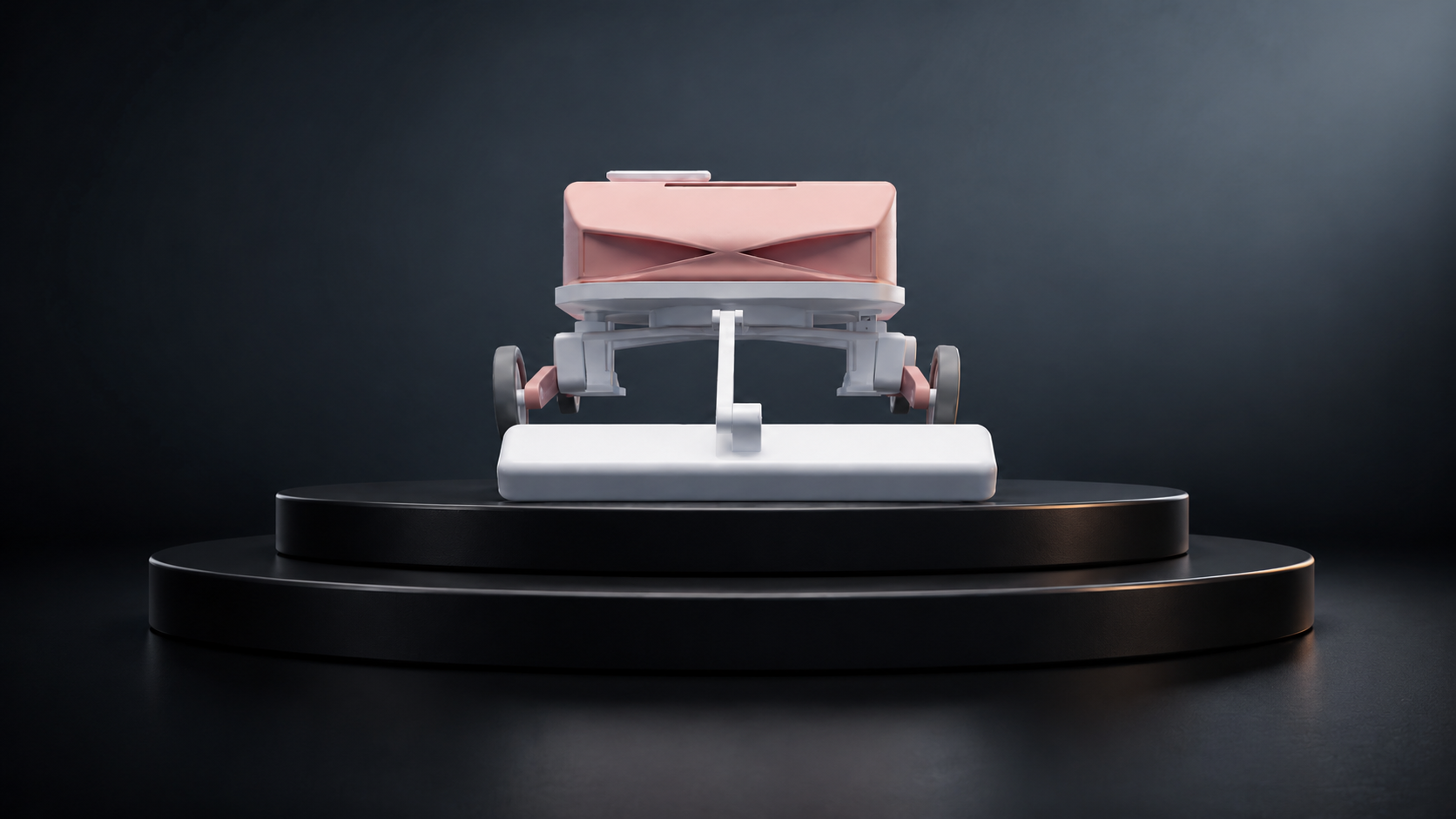
Designing intelligent systems for future living
Focused on robotics, AI-powered products, and futuristic industrial design solutions that improve safety, efficiency, and human interaction.



DESIGN PROCESS
Challenges in High Rise Glass Maintenance
- Risk involved in manual cleaning at dangerous heights.
- Inefficiency and high operational cost in traditional systems.
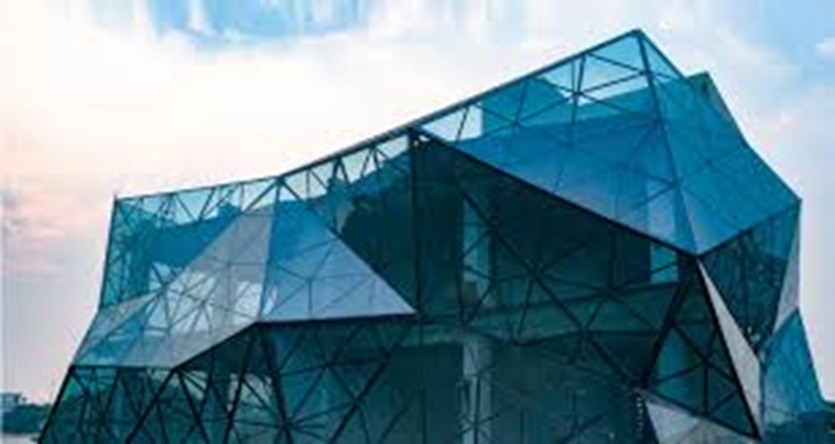
- Difficulty adapting to complex and irregular glass structures.
- Excessive water and energy consumption during cleaning.
- Need for an intelligent autonomous cleaning solution with minimal human involvement.
DESIGN OPPORTUNITY
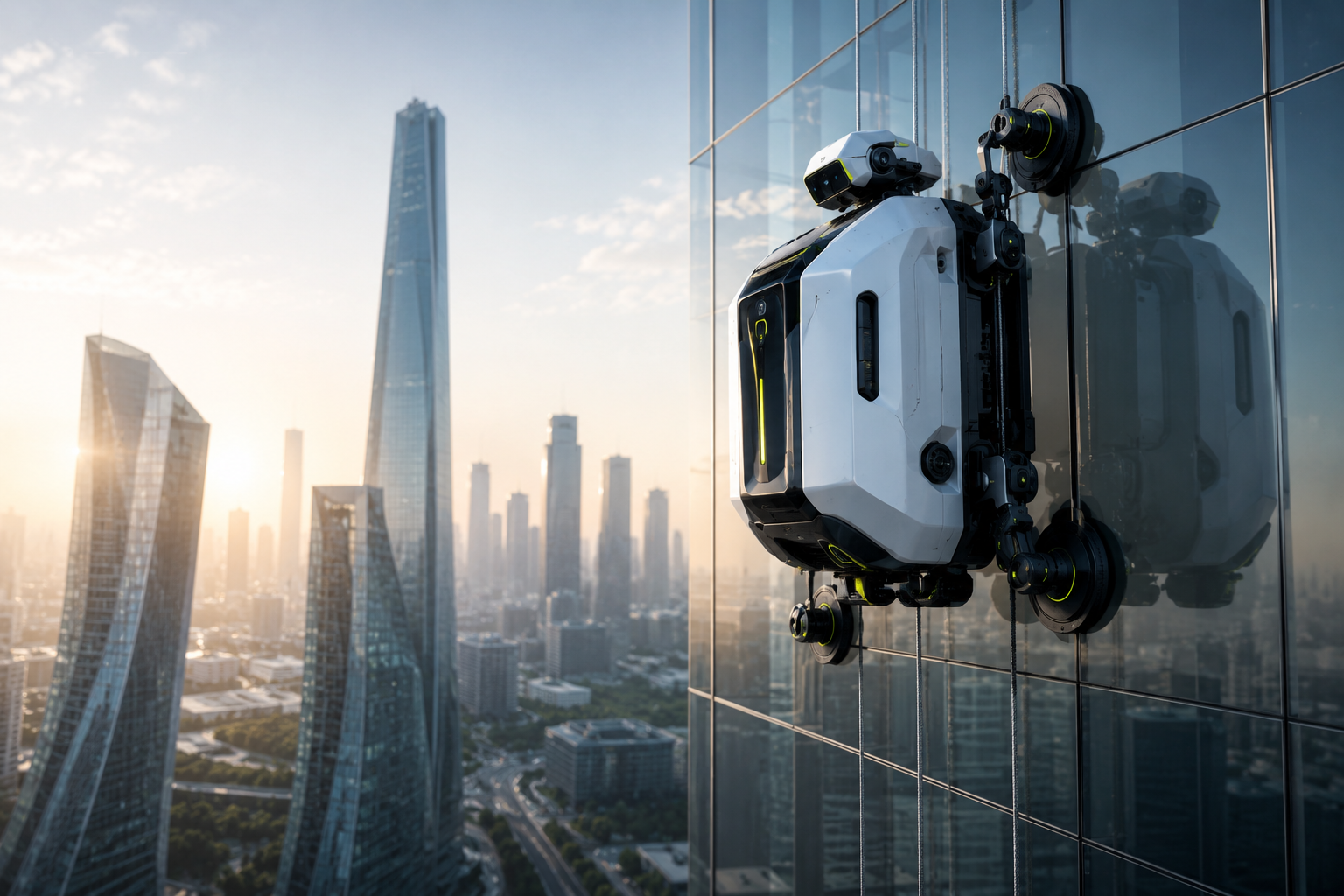
- An opportunity to improve facade cleaning through autonomous robotics, AI-assisted navigation, and intelligent maintenance systems.
- Improve operational safety
- Reduce human involvement
- Increase cleaning efficiency
Research & Problem Study
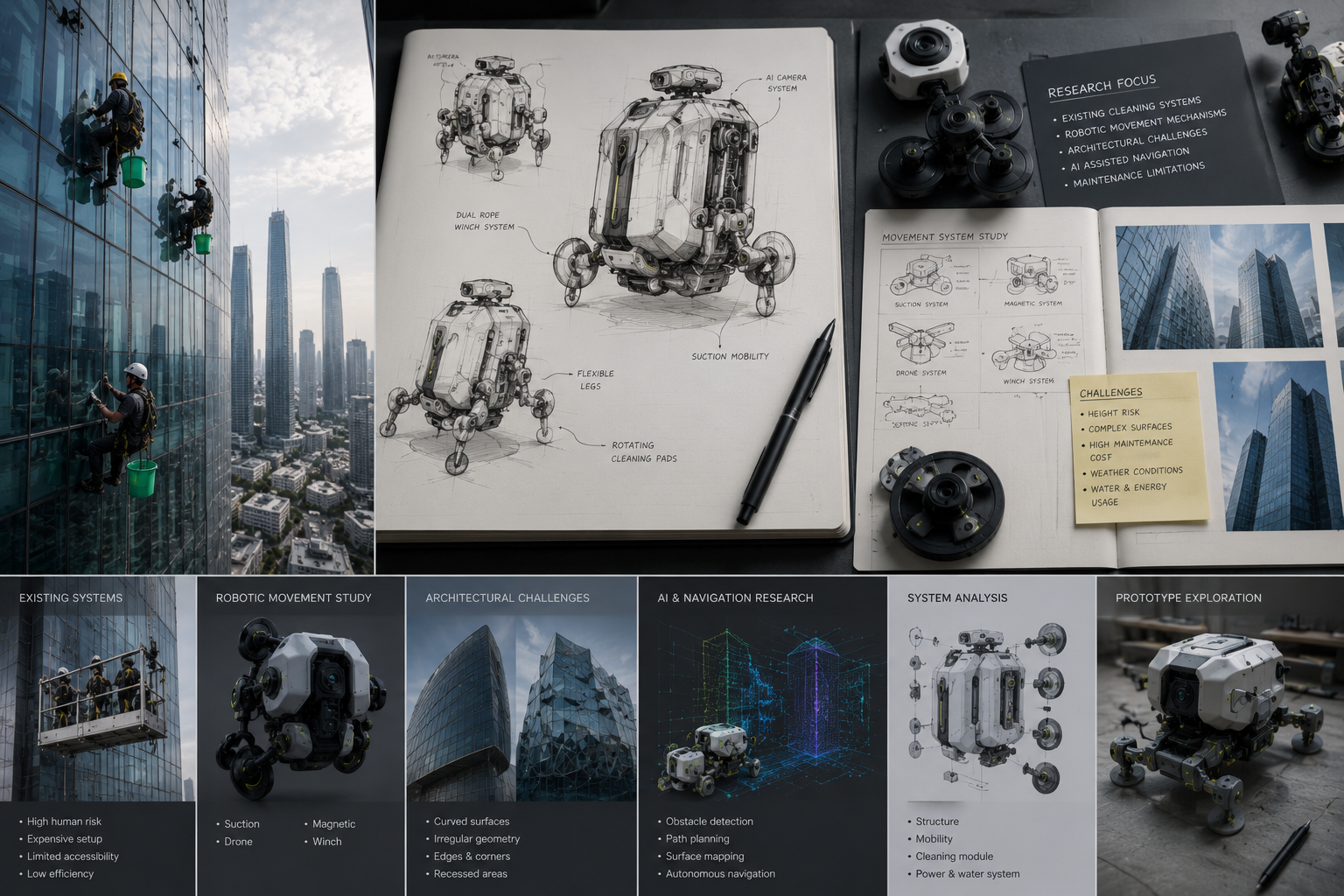
- studied existing high-rise glass cleaning systems
- Analyzed risks in manual facade maintenance
- Explored robotic movement technologies
- Researched suction, magnetic, drone, and winch systems
- Investigated challenges in complex glass structures
- Analyzed water and energy consumption in traditional cleaning
- Reviewed real-world maintenance failures and limitations
KEY INSIGHTS
- Traditional systems involve high operational risk
- Existing robots struggle on curved surfaces
- Complex facades reduce cleaning accessibility
- Current methods consume excessive resources
- Most systems require human supervision
- Intelligent automation can improve efficiency and safety
- Modern architecture demands adaptive maintenance systems
USER PAIN POINTS
- Dangerous cleaning operations at extreme heights
- High maintenance cost and operational effort
- Difficulty cleaning irregular glass surfaces
- Long maintenance durations
- Limited accessibility on complex buildings
- Excessive water and energy usage
- Lack of intelligent autonomous systems
- Environmental dust and pollution challenges
Concept Development
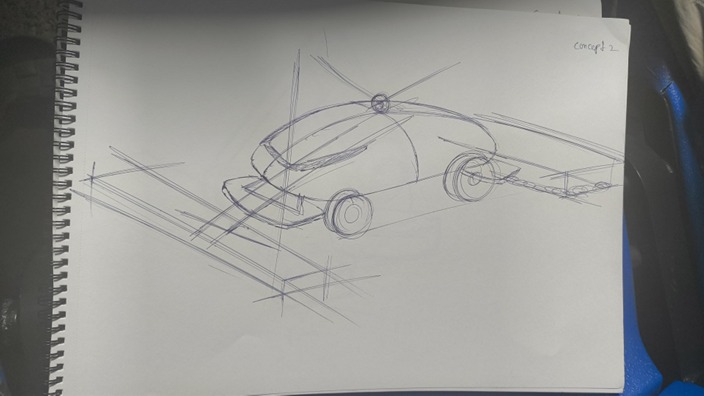
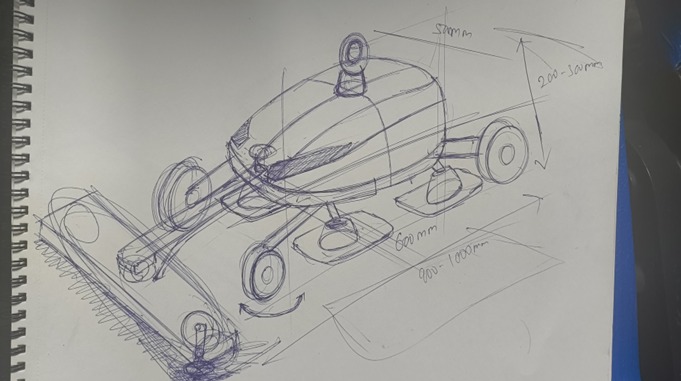
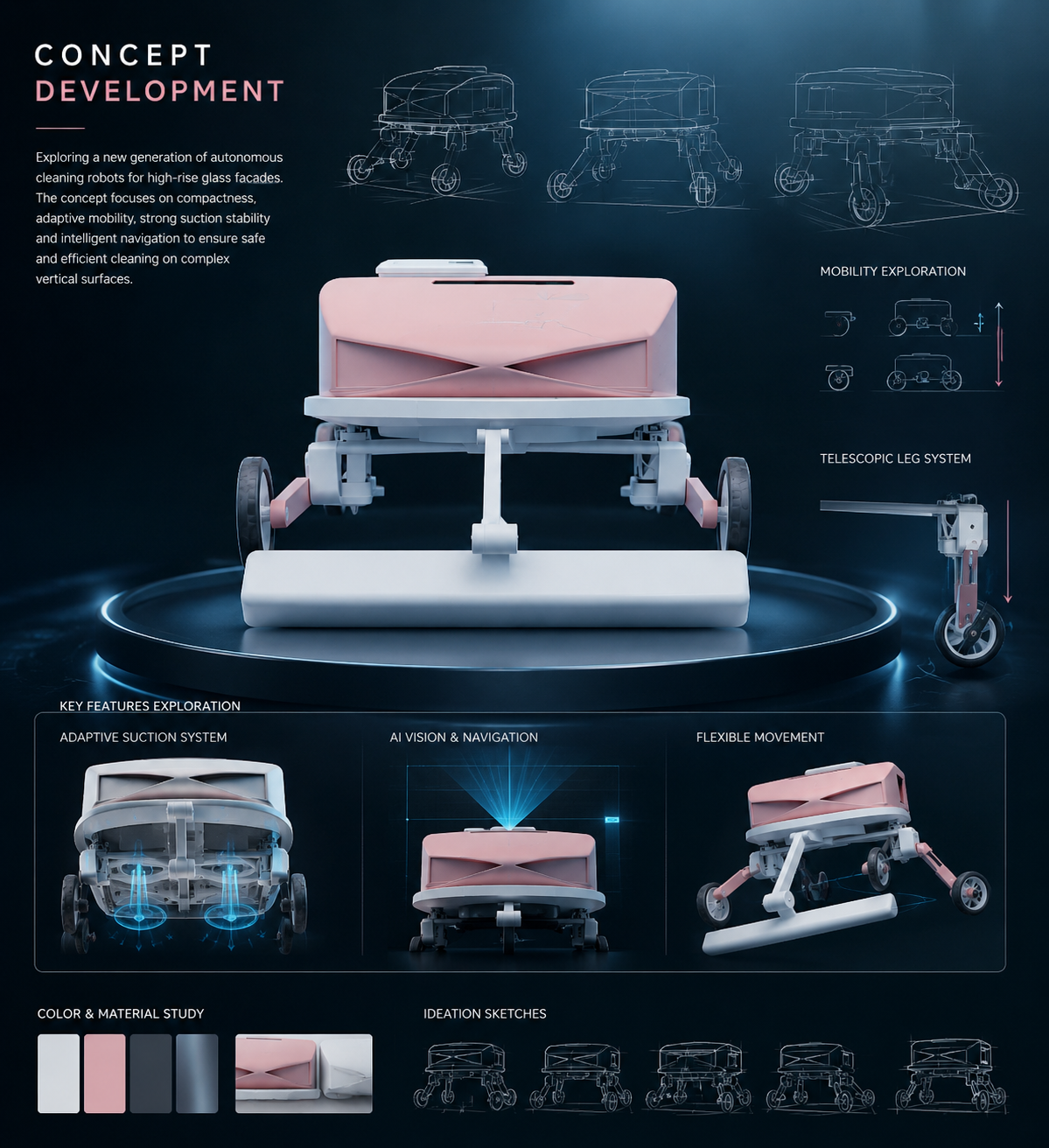
The concept development phase focused on creating a compact autonomous robotic system capable of balancing intelligent navigation, adaptive movement, and efficient cleaning performance for modern glass facades.
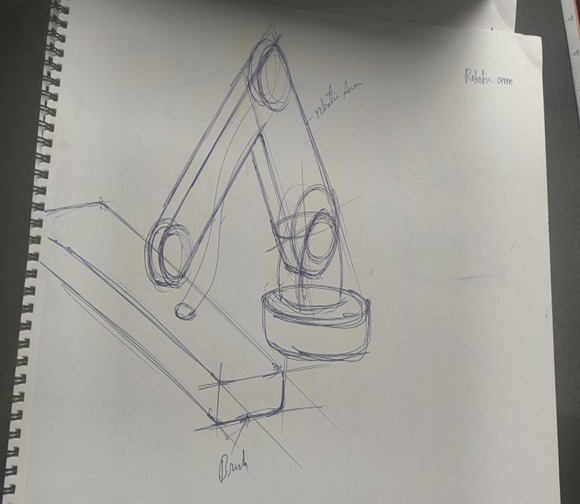
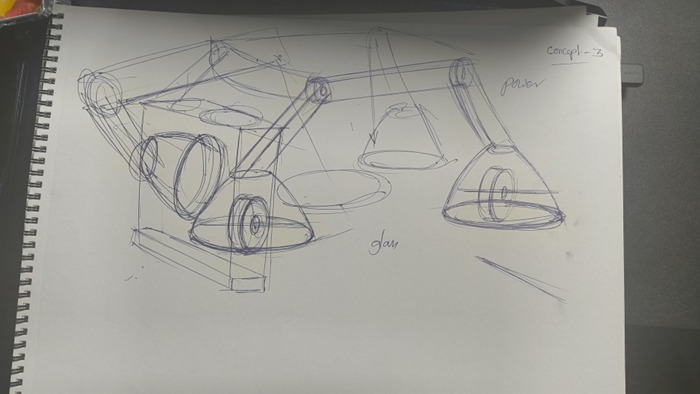
The final direction evolved through multiple form explorations, movement studies, and mechanism testing to achieve a futuristic yet functional maintenance solution.
Concept Goals
- Develop an autonomous facade-cleaning system
- Improve operational safety at high-rise heights
- Reduce human involvement in maintenance
- Adapt to complex architectural surfaces
- Optimize cleaning efficiency and stability
- Create a lightweight and scalable robotic system
Design Approach
- AI-assisted navigation system
- Dual-rope winch mechanism
- Suction-based movement support
- Flexible telescopic leg system
- Compact modular architecture
- Low-energy cleaning operation